
Your First Week Training Muay Thai in Thailand

The brochure version of a first week in Thailand is two sessions a day, six days, shins already singing, a new pair of shorts, and a story for the group chat. The version we see at the gym is quieter. Someone lands after a long-haul flight, sleeps badly, walks into an 8am class because they paid for the week in advance, and spends Thursday wondering why their legs will not do what they did on Monday.
A September thread on r/MuayThaiTips put the worry in plain language. Beginners were asking whether they should commit to that volume before they had even trained once in the heat. The short answer, from our side of the pads, is no. You do not have to. A weekly pass is there for people who already know they can use it. It is not a test of character, and it is not how a Thai fighter starts a camp after a flight.
Your first week is an arrival week. The art can wait a session. The body cannot be hurried through a new climate, a new clock and a new way of moving all at once.
The flight does more damage than people admit
Fitness at home is a poor predictor of how the first session will feel. We have had runners who faded in round three of pad work, and we have had people in their fifties who walked the class cleanly because they knew when to slow down. Age matters less than the gap between what your week normally asks of you and what a Thai gym asks on day two. A person who lifts three times a week and sits the rest of the time has strong legs and an untrained aerobic system. Muay Thai taxes both, plus the hips, the shins and the grip, in weather the body has not met.
Travel stacks on top of that. A long flight dehydrates you before you have thrown a punch. Ankles swell. The gut is off from airport food and a new kitchen. Sleep is broken, either because you landed at 2am or because the room is the wrong temperature and the geckos are louder than you expected. Even a short hop from Bangkok down to the Andaman coast can leave people flat if they have been moving hotels for a week already.
The environment itself is new work. Humidity on the coast sits on the skin. The gym smells of liniment and damp wraps. The floor is not the sprung sports hall you trained on at home, if you trained at all. Mosquito bites, a change of diet, and air-conditioning that dries the throat overnight all count as load. None of it shows on a training plan. All of it shows in the third round.
Thai fighters who fly in for a bout do not walk off the plane and do a full camp. They give the body a day. They do technical work. They let the sweat rate catch up. If a professional who already knows the art will not force the first 48 hours, a beginner has no reason to.

How much to train before the body has landed
For most people arriving to train, three or four sessions in the first week is plenty. One a day. Morning class if you can, because 8am on the coast is kinder than 4pm. Skip the optional run before class until the second week. Take Sunday, which is already a rest day for group training here. If a session leaves you dizzy, sick or unusually flat, the next one is a walk on the beach, not a makeup class.
A shape that works for a lot of first-timers looks like this. Land, sleep, and do not train that day if the flight was long. One group class on day two, morning, and stop when the coach says the round is over rather than adding bag work after. A day off. Another morning class. A private lesson if you want the stance corrected while the body is still fresh, not bolted onto two group sessions. One more group class near the end of the week if the legs still feel like yours. That is a full first week. It is not a failed one.
Twice a day is a different sport. Our afternoon class is built around fitness. Doing it on top of a technical morning, in week one, in this heat, is how people collect shin pain and a short temper and very little technique. Fighters who live here build toward doubles. Visitors who have already done a camp can step back into them. Beginners, returning students who have been at a desk for a year, and anyone over about forty who has not been training most days should treat doubles as a second-week question, not a day-one plan.
You can buy sessions one at a time. A single group class is 300 baht. Morning and afternoon on the same day is 500. The 3,000 baht week pass covers up to twelve sessions, which is two a day from Monday to Saturday. Prices on the site do not include VAT. Buy the pass when you know you will use it. Do not buy it in the airport because a forum told you that real training means twelve sessions. The gym will still be here on Wednesday.
Heat, humidity, and the week your sweat changes
Khao Lak is not a dry heat. By late morning the air is thick, and the afternoon class sits in the part of the day when visitors from Europe, North America and the cooler parts of Australia feel it most. The body needs roughly a week, sometimes two, before sweat starts earlier and the heart rate for the same work comes down. That adaptation is real. It does not happen because you refused a rest day.
Drink before you are thirsty. Bring a bottle to the gym and refill it. Water is the base. On training days add salt: coconut water, a proper electrolyte, or food that is not only plain rice. Coffee on an empty stomach and then a hard pad round is a reliable way to feel awful. Alcohol the night before a morning class is another. We are not the fun police. We are the people who watch the round fall apart.
Stop if the signs stop being ordinary fatigue. Ordinary is heavy legs, a wet shirt, and a wish that the round would end. Not ordinary is dizziness, nausea, a headache that sits behind the eyes, confusion, or skin that has gone clammy and stopped sweating. That is the session ending. Sit in the shade, sip, and tell a trainer. Toughness is finishing a round you can still see straight through. It is not arguing with heat illness.

Older students feel the heat sooner, and so do people on medication that affects fluid balance. Say so at the desk. We would rather shorten your pad rounds than scrape you off the mat. Children training with us are kept to shorter, coached work for the same reason. The coast does not grade on effort.
Even the fighters who live in this heat give a travelled body a day. The first week is for arriving. The technique will still be here when the sleep comes back.
Looking for a Train & Stay Package?
We offer fully inclusive stay & train packages starting from just 8,900 baht per week — training, accommodation, airport transfers and full gym access all included. Expand each option below to explore what’s right for you.


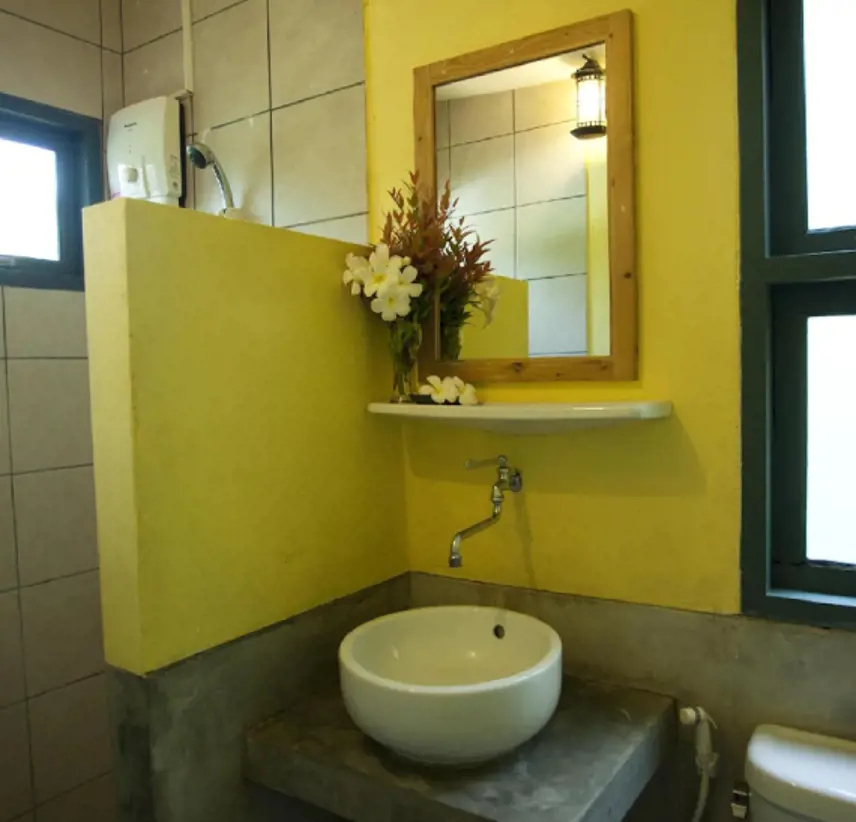


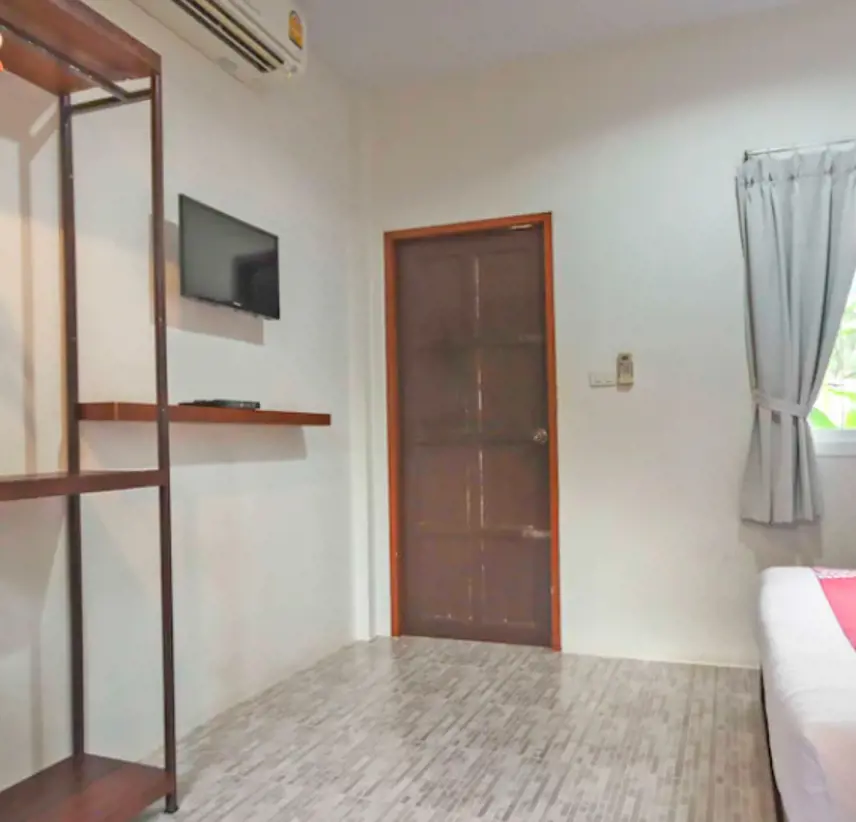
Standard Package
Train hard and stay comfortably. This budget-friendly package includes quality accommodation close to the gym with clean, air-conditioned rooms. Perfect for dedicated trainees and long-stay students who want authentic Muay Thai, great value, and easy access to daily training without any fuss.
- AC
- Fridge
- Private bathroom with hot water
- Free WIFI
- A few minutes' walk from gym
- Self-catering

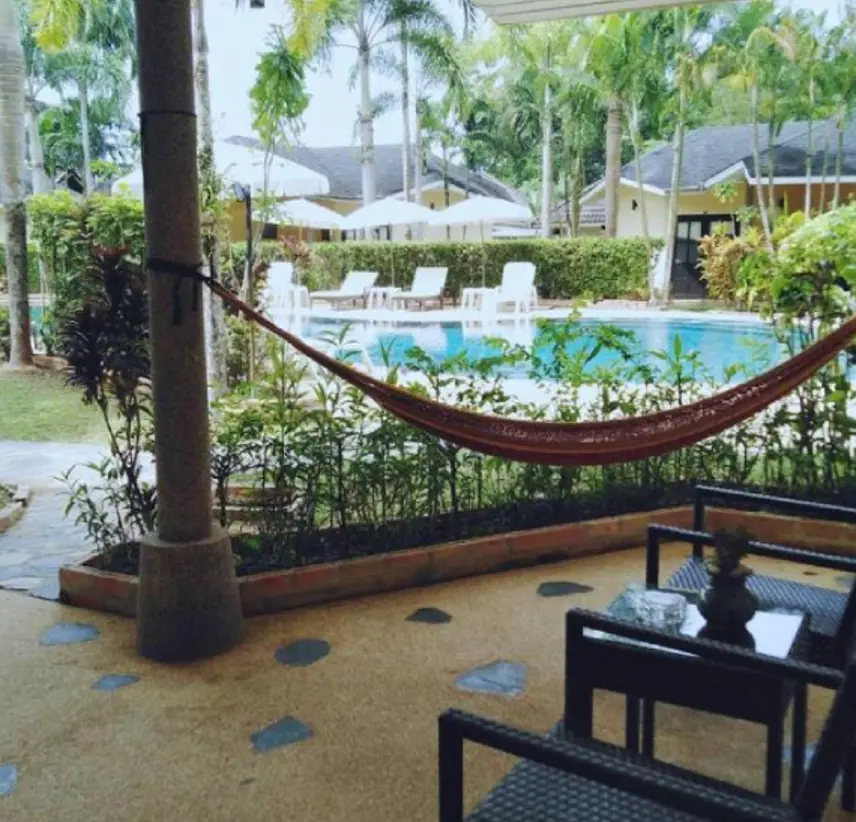
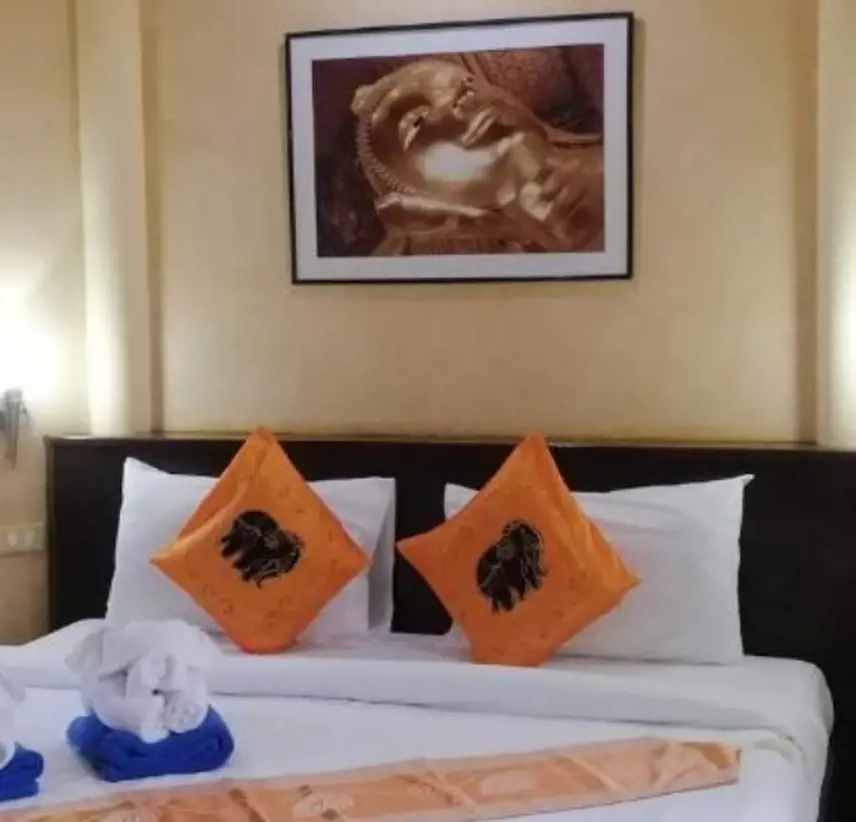
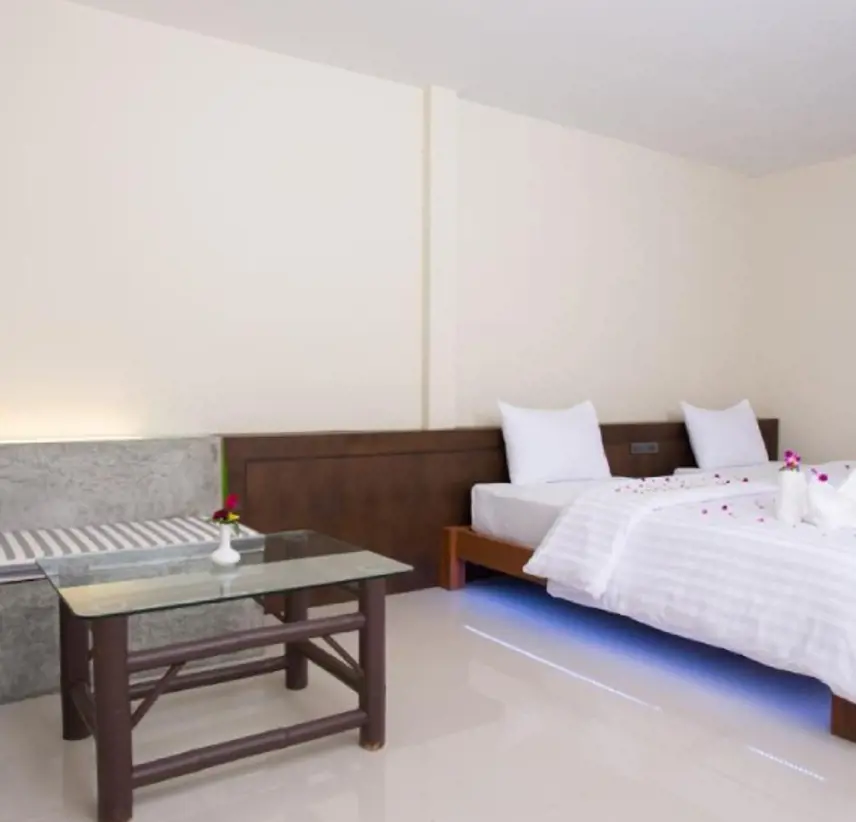

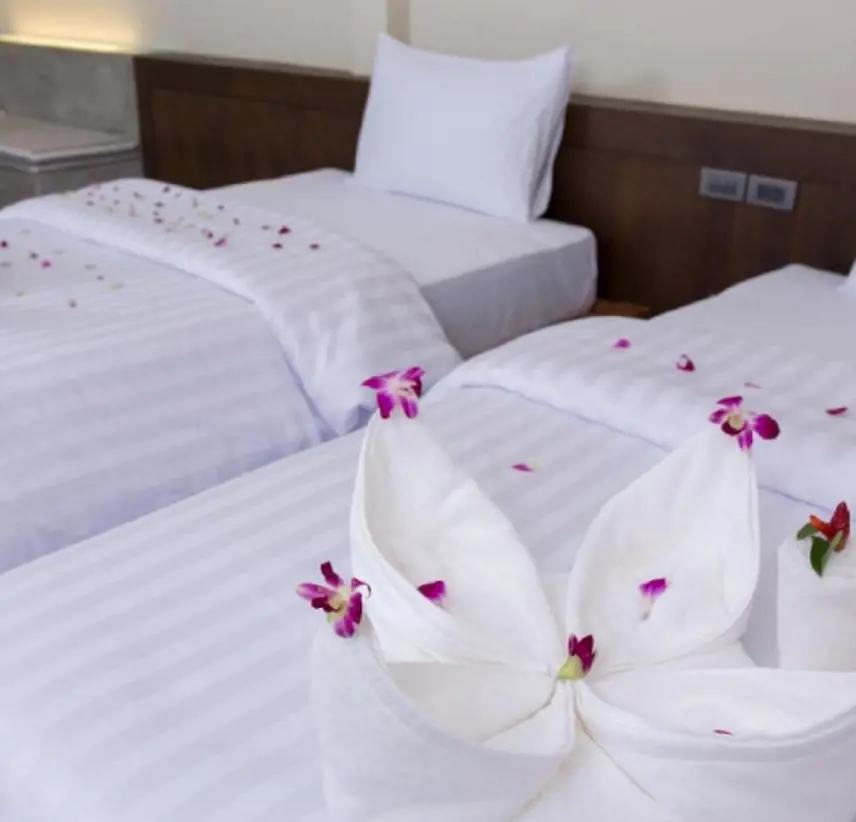
Deluxe Package
Enjoy training and relaxation in equal measure. This package offers comfortable modern rooms with pool access in a peaceful setting near the gym. Ideal for couples and longer stays who want a relaxed tropical atmosphere alongside high-quality Muay Thai coaching.
- AC
- Fridge, kettle, coffee/tea in the room
- Private bathroom with hot water
- Free WIFI
- A few minutes' walk from gym
- Breakfast: optional
- Daily cleaning






Luxury Package
Train hard by day and unwind in style. This premium package includes modern accommodation with resort facilities and sea views. Perfect for couples and long-stay students who want extra comfort, beautiful surroundings, and easy access to world-class training.
- Deluxe rooms wit AC
- Fridge, kettle, coffee/tea in the room
- Private bathroom with hot water
- Free WIFI
- Beachfront
- 15-20 minutes walk from the gym
- Breakfast included
- Daily cleaning
Custom lengths and fight camps available. Prices are per person, twin share. Single supplement on request. Contact us for current Agoda-linked deals and long-stay discounts.
Sleep, food, and the recovery nobody posts
Jet lag is training load. If you are awake at 3am and training at 8, you are not “using the time”. You are starting a session on a nervous system that has not had a night. For the first few days, protect sleep over the schedule. A dark room, a fan, and a nap after training will do more for Thursday’s kicks than an extra hour on the bag.
Eat like a person who has to train tomorrow, not like a person cutting for a fight they do not have. Rice, fruit, eggs, grilled fish or chicken, and something with salt. The first week is a bad time to start a deficit. Shins bruise because they are new to the bag, not because you failed to suffer. Ice them if they are hot and swollen. Do not spend the evening kicking a bag in the condo to “catch up”.
Soreness in the hips, the shoulders and the front of the thighs is normal. Pain that is sharp, or a joint that swells and will not take weight, is a reason to skip the next class and tell us. A pulled hip flexor from forcing kicks on day one will cost you the rest of the trip. A quiet Wednesday will not.
Relative fitness shows up here more than in the session itself. A younger student often bounces back overnight and mistakes that for a licence to double up. An older student often needs the day between. Both are adapting. The one who can still train on Saturday is the one who paced Monday.

Group class or a private lesson
Group classes run Monday to Saturday, 8am to 10am and 4pm to 6pm. You do not book them. Come to the desk, say it is your first session, and a trainer will place you. The morning hour is technique. The afternoon hour leans on fitness. Saturday morning, from December to April and only if the weather allows, moves to the beach. Sunday has no group class. Private lessons can still run.
A group session is about two hours. Skipping, a warm-up, bag rounds, pad rounds with a trainer, some technique or a circuit, and a cool-down. Sparring is optional and supervised. Nobody is put in to spar on day one. Beginners spend the pads on stance, guard, jab, cross, teep and a basic round kick. You will share the floor with people who have fights behind them. That is normal here. They are not the pace you have to match.

A private lesson is one hour, one trainer, 800 baht. Children aged eight and under are 500. It is the cleanest way to fix a stance before a bad habit sets, and it is easier on a body that should not do two group hours. It is also easy to misuse. A private on top of two group classes is three sessions. In week one that is volume, not a shortcut to skill. One private and two or three groups is a strong first week. Two groups and no private is also a strong first week.
If you already train at home and you are here for a short trip, the private is where the details move: the hip on the kick, the rear hand coming home, the teep that does not fall you forward. If you have never worn a glove, start in the group. The class will show you the shape of a session, and a private later in the week will mean more once you have something to correct.
What to bring, and what can wait
You do not need a full kit to start. We have gloves and wraps you can borrow for a first session. Shared gear is there so a decision in the airport does not stop you training. If you stay more than a few days, your own wraps are worth having. They dry fast in this weather if you hang them, and two pairs is better than one if you train on back-to-back days.
Bring a water bottle, a small towel, flip-flops, and clothes you can sweat through: shorts you can kick in, a light shirt or a sports bra and a top. Muay Thai shorts are easy to buy locally once you know you are staying. A mouthguard matters when you spar. It does not matter for a first pad round. Sunscreen matters if you join beach training. Electrolyte tablets are lighter to pack than they are to hunt for outside a big supermarket.
Leave the running shoes for the optional road work, and leave that road work until week two. Leave the idea that you should arrive with 16oz gloves, shin guards and a groin cup already broken in. Useful later. Not the thing that decides whether Monday goes well. The thing that decides Monday is sleep, water, and telling the trainer you are new.
What a beginner can honestly expect
By the end of seven days you will know a stance, a guard, and the names of the basic strikes. You will have hit pads. Your shins will be tender. Your cardio will feel worse than it does at home, because humidity and new movements are a tax your home gym does not charge. You will not look like a fighter. Nobody does after four classes.
What you can take home is narrower and more useful. Balance before power. The rear hand back to the cheek. A kick that lands on the shin and returns to stance, even if it is slow. The feeling of a gym that is loud and friendly and not interested in whether you kept up with the person next to you. Sparring, if you want it at all, comes after a trainer has watched you move, not because a week is up.
People who train four honest sessions and leave able to walk usually come back for the second week sharper. People who force twelve sessions often spend the second week nursing a hip, a stomach, or a mood. The September posts were right to flinch at the volume. Commit to showing up. Do not commit, in advance, to a workload your body has not met.
If you want the first session set before you land, message us on WhatsApp at +66 91 821 6634 and tell us the day you arrive and whether you have trained before. We would rather start you on a Tuesday morning than watch you buy a week you cannot use.
Frequently Asked Questions
How many sessions should a beginner do in the first week?
Three or four is enough for most people, one a day, with at least one full rest day. The weekly pass allows up to twelve. You do not have to use them. Buy single sessions until you know how you recover.
Is training twice a day too much when I arrive?
For almost every beginner, yes. Doubles make sense after the heat and the sleep have settled, usually in week two, and only if the morning session is not already wiping you out. Fighters who already live in camp are not the comparison.
Should I train in the morning or the afternoon?
Morning. The 8am class is technical and cooler. The 4pm class is hotter and leans on fitness. If you only have the afternoon, come, tell us it is your first session, and we will keep the pad rounds honest.
Do I need my own gloves and wraps?
Not for the first class. Gloves and wraps are here to borrow. Bring a water bottle, a towel, and clothes you can kick in. Buy your own wraps if you stay on.
I am older, or not fit. Can I still start?
Yes. Tell the desk your age and what you normally do in a week. We shorten rounds and skip the optional run. Relative fitness matters more than a number. Sharp pain or heat illness stops the session. Ordinary soreness does not.
Should I book a private lesson or just join the group?
Join the group first if you are new. Add one private in the week if you want the stance cleaned up. Do not stack a private on top of two group classes in week one. Group classes are walk-in. Privates should be booked.
Will I have to spar?
No. Sparring is optional and supervised. Beginners are not put in on day one. A first week can be pads, bag and technique only.


